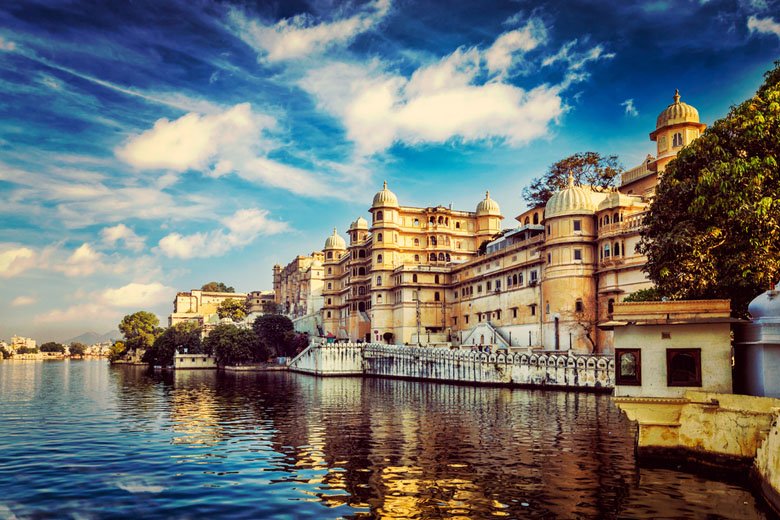
Hawa Mahal Jaipur
Hawa Mahal in Jaipur, also known as the "Palace of Winds," is an architectural marvel that stands as one of the most iconic structures in the Pink City. Here's an extensive look at its history, nearby attractions, and the local market scene:
History of Hawa Mahal
Constructed in 1799 by Maharaja Sawai Pratap Singh, Hawa Mahal is part of the City Palace complex. Here are some key points:
Architectural Design: The palace was designed by Lal Chand Usta in the form of Krishna's crown, featuring 953 small windows or 'jharokhas' known as 'jalis'. These windows allowed royal ladies to observe street festivities and daily life without being seen.
Purpose: Besides providing a view, the structure was built to combat the heat of Jaipur by allowing cool air (hawa) to pass through, hence the name Hawa Mahal. Also book online best taxi service in Jaipur with Yogi Cab service.
Construction: It's made entirely of red and pink sandstone, aligning with the pink hue of Jaipur, which was painted pink in 1876 to welcome Queen Victoria's son, the Prince of Wales.
Cultural Significance: Hawa Mahal symbolizes the Rajputana architecture and reflects the lifestyle of the royal women during that era.
Nearby Places to Visit
City Palace: Adjacent to Hawa Mahal, this palace complex showcases the grandeur of Rajput and Mughal architecture.
Jantar Mantar: An astronomical observatory, just a short walk from Hawa Mahal, known for its large stone astronomical instruments. Also book online best Car hire in Jaipur with Yogi Cab service.
Albert Hall Museum: A museum showcasing a vast collection of artifacts from various periods of Indian history.
Sisodiya Rani Garden: A beautiful garden built by Maharaja Sawai Jai Singh for his second queen.
Nahargarh Fort: Offers panoramic views of Jaipur and is connected to Jaigarh Fort by a road.

Local Market
Johari Bazaar: Known for its jewelry, this market is a must-visit for anyone interested in traditional Rajasthani jewelry, gems, and bangles.
Bapu Bazaar: Here you can find everything from traditional Rajasthani clothes, footwear like Mojris, to souvenirs and local handicrafts.
Tripolia Bazaar: Close to Hawa Mahal, this market is famous for its spices, dry fruits, and traditional sweets.
Chandpol Bazaar: Known for its textiles, particularly the famous Bandhani (tie-dye) fabrics.
MI Road: A bustling street with modern shops, eateries, and traditional Rajasthani cuisine. Also book online best one way taxi service in Jaipur with Yogi Cab service.
Conclusion
Hawa Mahal is not just an architectural wonder but a gateway to exploring the rich cultural tapestry of Jaipur. From its historical significance to the vibrant local markets, a visit here encapsulates the essence of Rajasthan's heritage. Whether you're a history buff, an architecture enthusiast, or a shopaholic, Hawa Mahal and its surroundings offer a comprehensive experience of what makes Jaipur unique.
Taxi From Jaipur: